

Neuromuscular Re-education (CPT 97112) is a cornerstone of effective physical therapy, yet it remains one of the most scrutinized and frequently denied codes by payers. For many PT practices, billing for these essential services feels like navigating a minefield of complex rules and payer-specific nuances. The ambiguity between CPT 97112 and other codes like Therapeutic Exercise (97110) often leads to costly errors, audits, and lost revenue. This guide provides the strategic clarity your practice needs to confidently code, document, and bill for neuromuscular re-education, ensuring you are properly reimbursed for the high-level skill your therapists provide.
Defining CPT 97112: What Qualifies as Neuromuscular Re-education?
According to the American Medical Association (AMA), CPT 97112 is defined as "neuromuscular re-education of movement, balance, coordination, kinesthetic sense, posture, and/or proprioception for sitting and/or standing activities." This code is intended for services that require the unique skills of a therapist to retrain impaired neuromuscular function. It is not a catch-all for general exercises.
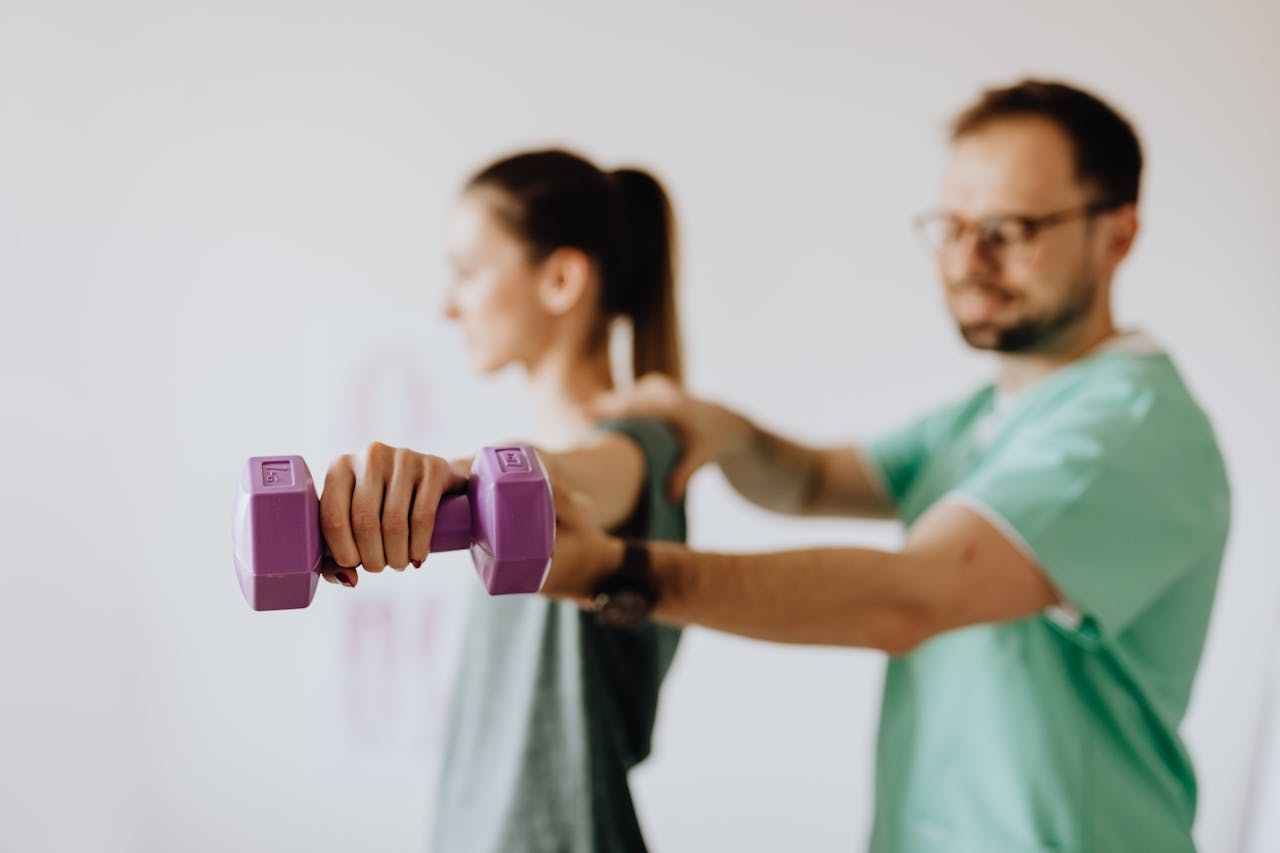
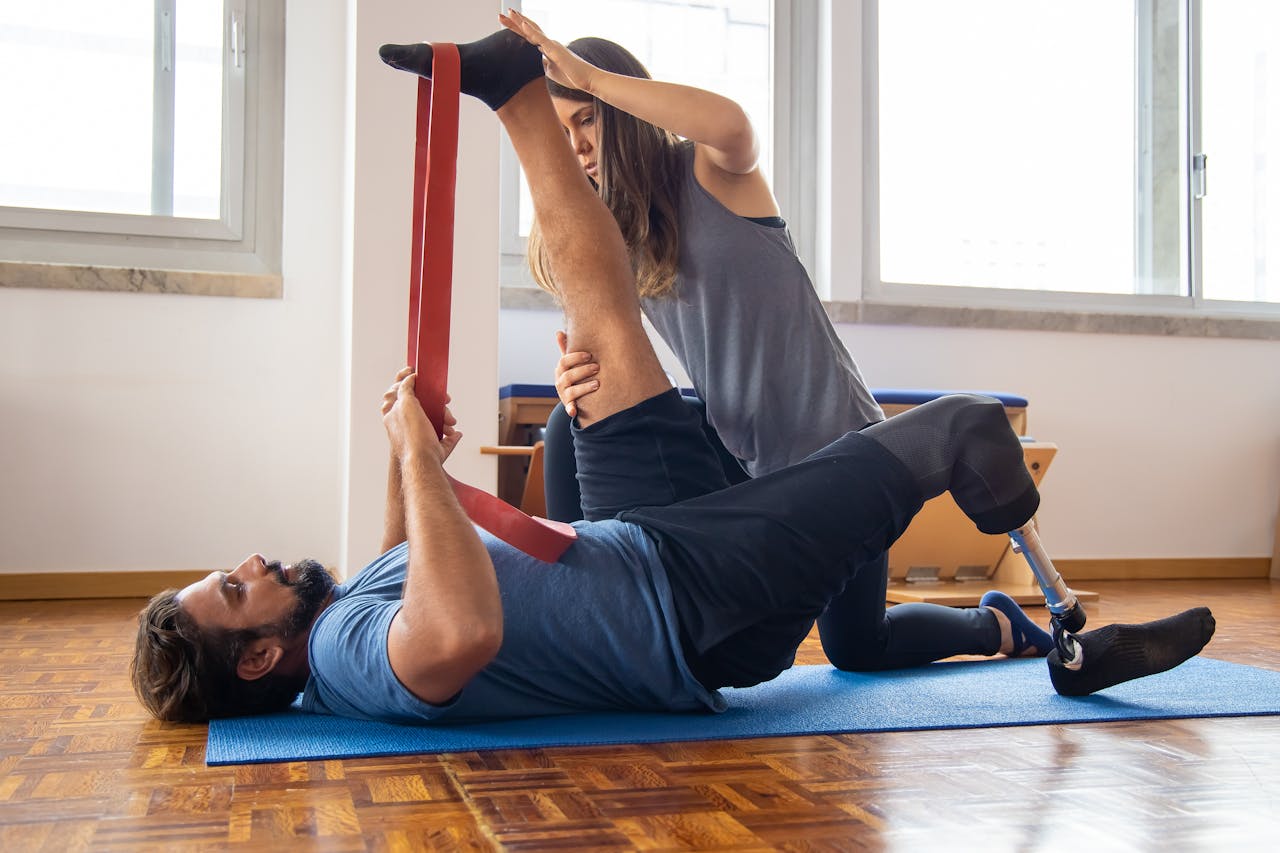
The key differentiator is the focus on re-establishing neuromuscular control. While Therapeutic Exercise (97110) targets strength, endurance, and range of motion, Neuromuscular Re-education involves hands-on, skilled feedback and facilitation to improve the quality of movement. Examples of qualifying interventions include:
- Proprioceptive Neuromuscular Facilitation (PNF) patterns to restore normal motor sequencing.
- Balance and stability training on unstable surfaces (e.g., BAPS board, foam pad) requiring continuous therapist feedback to correct posture and strategy.
- Postural re-education with tactile and verbal cueing to correct muscle imbalances.
- Bobath or Feldenkrais techniques for patients with neurological conditions.
Navigating Payer Policies and the 8-Minute Rule
CPT 97112 is a time-based code, making it subject to Medicare's 8-Minute Rule and similar policies from commercial payers. One unit of 97112 represents 15 minutes of direct, one-on-one patient contact. To bill a single unit, a therapist must provide at least 8 minutes of the service. Payers are vigilant about the total timed units billed in a session, and documentation must clearly support the time spent on each distinct service.
A common red flag for auditors is the routine billing of 97112 alongside other comprehensive codes without clear justification. For example, billing both 97112 and 97530 (Therapeutic Activities) in the same session requires meticulous documentation showing that two distinct and separate activities occurred. The documentation must prove that the therapist addressed both neuromuscular control and, separately, functional performance with different techniques and goals during the session. Failure to delineate this distinction is a leading cause of denials.
Modifier Use and ICD-10 Specificity: The Keys to Payment
Correctly applying modifiers and linking to a specific ICD-10 code is non-negotiable for CPT 97112. The most critical modifier is Modifier 59 (Distinct Procedural Service). It should be used to signify that 97112 was performed separately and independently from another service on the same day. For example, if a therapist performs 15 minutes of PNF for scapular stability (97112) and then 15 minutes of lower extremity strengthening on a leg press (97110), Modifier 59 could be appended to 97110 to differentiate it from the neuromuscular re-education service. However, documentation must clearly reflect this separation of body parts and intent.
Equally important is the diagnostic link. A generic diagnosis like "low back pain" is insufficient. The ICD-10 code must support the medical necessity for retraining neuromuscular function.
- Strong Example: A patient post-ACL reconstruction presents with impaired single-leg stance. Billing CPT 97112 for proprioceptive training is justified by ICD-10 code R26.89 (Other abnormalities of gait and mobility), linked to the primary surgical aftercare diagnosis.
- Weak Example: Billing CPT 97112 for general core exercises and linking it only to M54.5 (Low back pain). This claim is likely to be denied, as the service appears to overlap with therapeutic exercise and lacks a clear link to a specific neuromuscular deficit.
Ensuring Compliance and Reimbursement
Successfully billing for CPT 97112 hinges on precision. It requires a clear understanding that this code represents skilled, one-on-one intervention aimed at correcting the root cause of dysfunctional movement—not just its symptoms. By prioritizing detailed documentation that outlines the specific technique, the time spent, and the functional goal, your practice can build a defensible claim. Mastering the strategic use of Modifier 59 and linking every service to a highly specific ICD-10 diagnosis are the final, crucial steps. Adopting these best practices will transform CPT 97112 from a source of billing frustration into a reliable component of your practice's revenue cycle.
CPT 97112 Billing Essentials
- CPT 97112 is for re-educating movement, balance, coordination, and proprioception—not general exercise.
- The service must be skilled, one-on-one, and time-based, adhering to the 8-Minute Rule.
- Documentation must detail the specific technique, rationale, and patient's functional deficit.
- Use Modifier 59 to bill with other codes only when services are truly separate and distinct.
- Link to a specific ICD-10 code that proves medical necessity for neuromuscular retraining.
Why Choose Us
Stop losing revenue to correctable coding errors and payer scrutiny. Bonfire Revenue’s experts specialize in the complexities of Physical Therapy billing, credentialing, and RCM. We ensure your CPT 97112 claims are compliant, defensibly documented, and paid promptly, allowing you to focus on patient care.