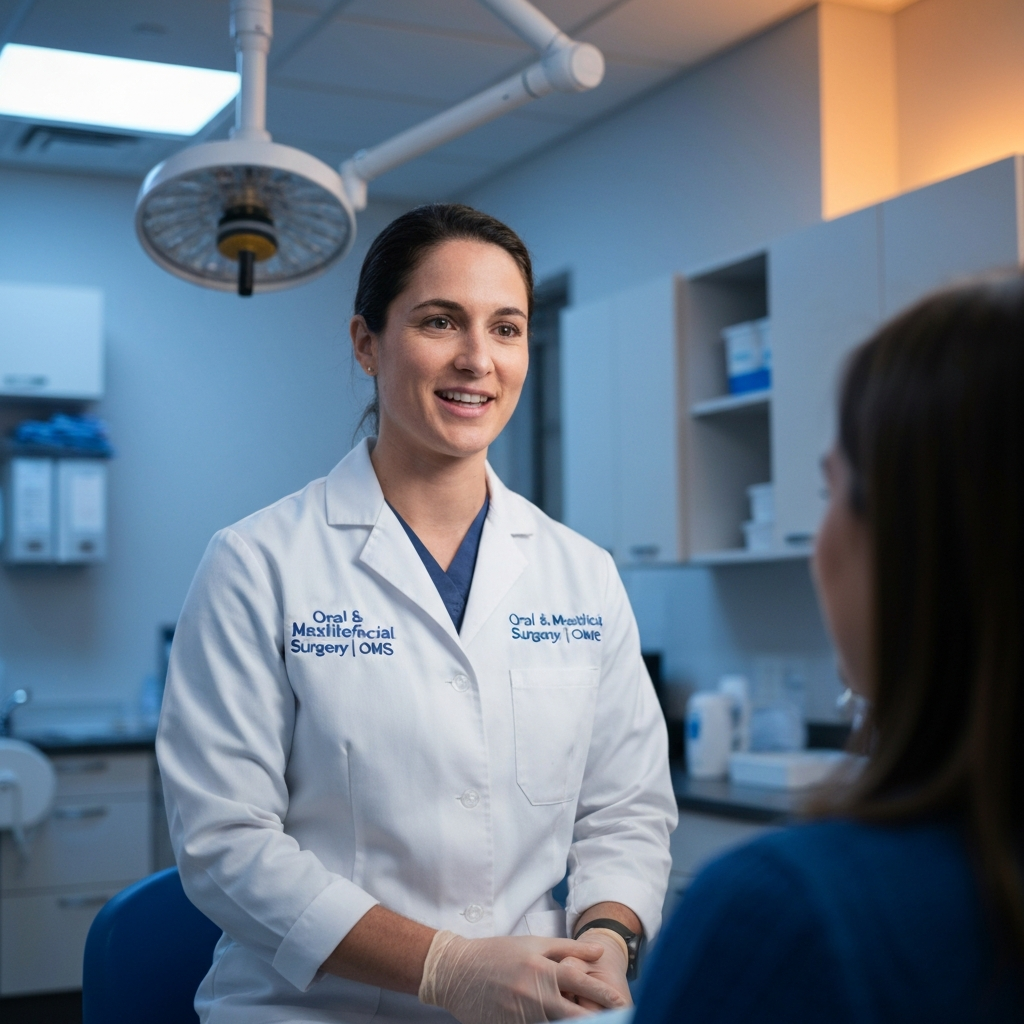


For Oral & Maxillofacial Surgery (OMS) practices, the term "preventive dentistry" often seems disconnected from the complex surgical procedures performed daily. However, a significant portion of an OMS provider's work is inherently preventive—excising a suspicious lesion to prevent malignancy, draining an abscess to stop systemic infection, or managing trauma to prevent long-term functional deficits. The challenge lies not in the clinical execution, but in communicating this medical necessity to payers. Successfully navigating the complex intersection of medical and dental billing for these services is critical for accurate reimbursement and a healthy revenue cycle.
Navigating the Medical-Dental Billing Divide
The primary hurdle in billing OMS-related preventive services is determining whether to submit the claim to medical or dental insurance. The answer is dictated by the diagnosis and the nature of the procedure. While a routine prophy is clearly dental, the excision of a leukoplakic lesion is a medical necessity aimed at preventing oral cancer. The key is to establish a clear diagnostic link that justifies medical intervention. Services that address pathology, trauma, or infection fall squarely under the medical umbrella.
Your documentation is the bridge between these two worlds. It must explicitly state the medical necessity, using precise diagnostic language supported by ICD-10-CM codes. A claim for a biopsy is not just about removing tissue; it's about investigating a "Neoplasm of uncertain behavior of oral cavity" (ICD-10: D37.0) or "Other specified diseases of the jaws" (ICD-10: M27.8). This diagnostic rigor is the foundation upon which a medically-billed claim is built and approved.
Essential CPT and ICD-10 for OMS Preventive Scenarios
Coding accuracy is non-negotiable. Using the correct combination of CPT (procedure) and ICD-10 (diagnosis) codes tells a complete and compelling story to the payer. Vague or mismatched codes are a leading cause of denials.
Consider these common OMS preventive scenarios:
- Biopsy of an Oral Lesion: To prevent the progression of a potential malignancy, you might perform a biopsy of the vestibule of the mouth. This is correctly coded with CPT 40808. To establish medical necessity, this procedure must be linked to a specific diagnosis, such as K13.21 (Leukoplakia of oral mucosa) or D49.0 (Neoplasm of unspecified behavior of digestive system).
- Drainage of an Abscess: Draining a vestibular abscess prevents the spread of infection, a critical preventive measure. The procedure is coded with CPT 41800 (Drainage of abscess, cyst, hematoma, vestibular area). The supporting diagnosis would be K12.2 (Cellulitis and abscess of mouth), clearly indicating an acute medical condition requiring surgical intervention.
- Modifier Usage: If a comprehensive evaluation (E/M service) on the same day leads to the decision to perform a minor procedure like a biopsy, appending Modifier 25 to the E/M code is essential to signal that the evaluation was a distinct, separately identifiable service.
Overcoming Payer Hurdles: Documentation and Pre-Authorization
Medical payers are increasingly scrutinizing claims that cross the dental-medical boundary. Robust documentation is your best defense. Clinical notes must be detailed, outlining the patient's history, symptoms, and the clinical rationale for the procedure. Photographic evidence of lesions or swelling, pathology reports, and radiographic findings are not supplementary—they are essential components of the claim.
Real-World Example: A claim for CPT 40808 linked to a generic "oral lesion" diagnosis was denied. The claim was appealed and resubmitted with the original operative note, a color photograph of the lesion with measurements, and a detailed addendum specifying the lesion's characteristics (e.g., "a 1.5cm x 1.0cm white, indurated patch on the buccal mucosa, present for 3 months, in a patient with a 20-pack-year smoking history"). The diagnosis was specified as K13.21. The appealed claim was paid in full. This demonstrates that granular detail directly impacts reimbursement. For non-emergent procedures, proactive pre-authorization is a critical strategy to confirm coverage and prevent downstream denials.
Future-Proofing Your OMS Revenue Cycle
Successfully billing for preventive-in-nature OMS services hinges on a strategic approach to revenue cycle management. It requires abandoning a "dental-only" mindset and embracing the language of medical necessity. This is achieved by linking precise CPT procedure codes with specific ICD-10 diagnosis codes, all substantiated by exhaustive clinical documentation. As payers continue to tighten policies and implement more sophisticated claim edits, particularly in the lead-up to 2025-2026 regulatory shifts, partnering with an expert RCM team is no longer a luxury but a necessity for financial stability and growth.
Coding for Prevention
- Establish Medical Necessity: Use specific ICD-10 diagnoses to justify billing medical plans for OMS services that prevent more severe outcomes.
- Code with Precision: Link procedure codes like CPT 40808 (Biopsy) or 41800 (I&D) with diagnostic codes like K13.21 (Leukoplakia) or K12.2 (Abscess).
- Document Everything: Detailed notes, photos, and pathology reports are crucial evidence to support claims and win appeals.
- Pre-Authorize Proactively: Secure pre-authorization for planned procedures to confirm coverage and minimize denial risk.
Why Choose Bonfire Revenue?
Bonfire Revenue is more than a billing company; we are your strategic RCM partner. Our team consists of certified OMS coders and credentialing specialists who live and breathe the complexities of medical-dental cross-billing. We ensure your documentation supports your coding, fight for every dollar you've earned, and keep you ahead of evolving payer regulations.