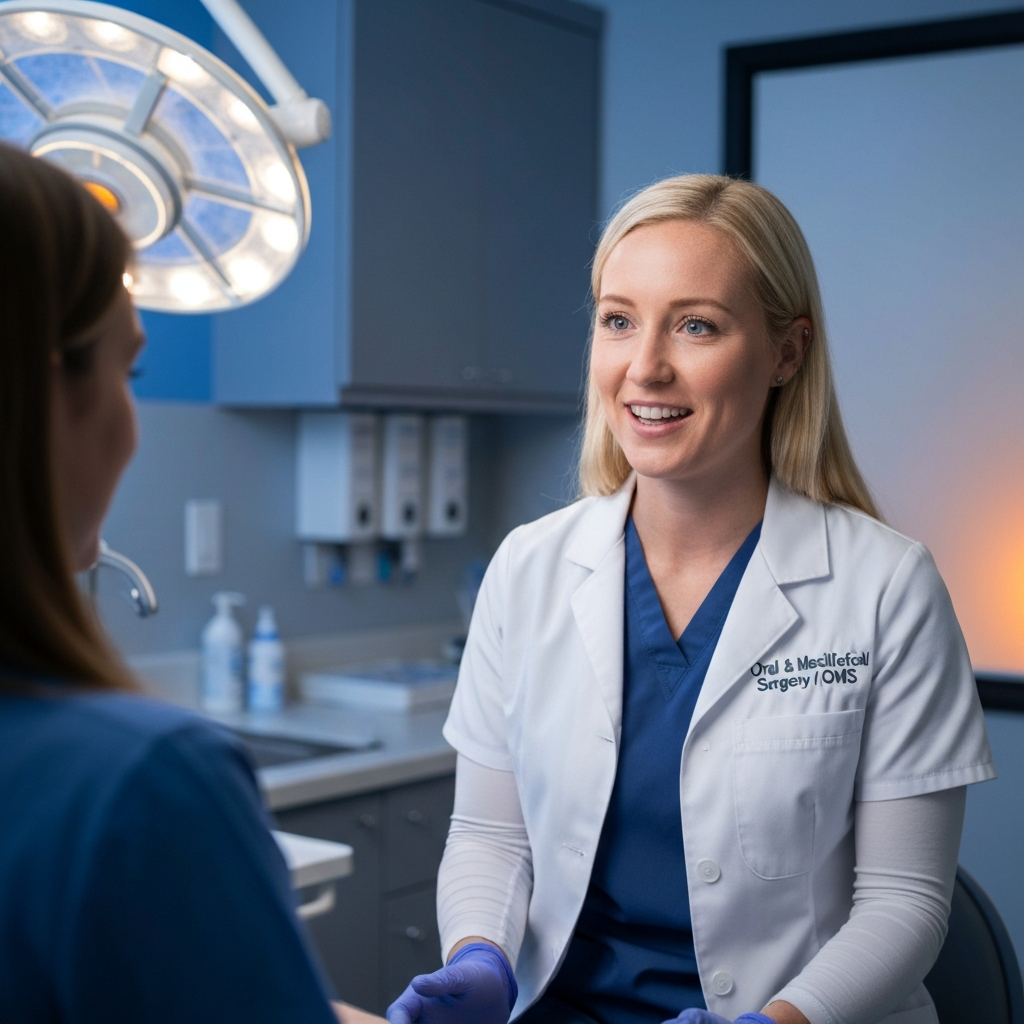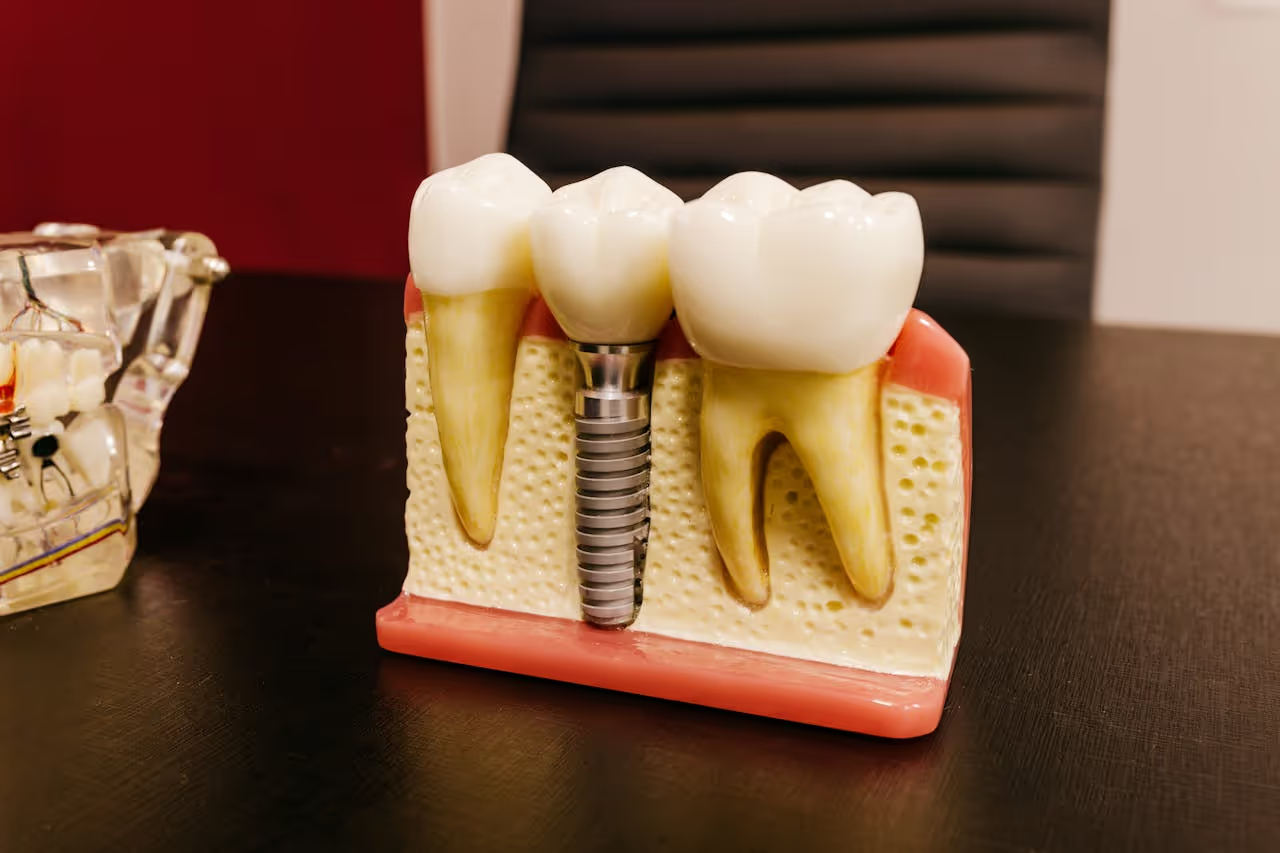

Oral and Maxillofacial Surgery (OMS) occupies a unique and complex space between medicine and dentistry. This duality, while clinically essential, creates significant revenue cycle management challenges. OMS practices frequently face claim denials and underpayments due to the intricate task of billing medical insurance for procedures that payers often default to classifying as "dental." Mastering the nuances of medical billing, specifically through precise CPT and ICD-10 coding, is no longer optional—it is the critical factor in securing appropriate reimbursement and ensuring the financial health of your practice.
Navigating the Medical vs. Dental Billing Divide
The fundamental challenge for OMS billing is determining the correct payer. While a procedure may be performed in the oral cavity, its underlying cause dictates whether it is a medical or dental claim. A claim's success hinges on proving medical necessity. Procedures treating pathology, trauma, or functional impairments are typically covered by medical insurance, whereas routine dental care is not.
For example, the extraction of an impacted third molar with associated cystic changes (ICD-10: K09.2) is a medical necessity. Conversely, a simple extraction for orthodontic purposes is purely dental. Payers scrutinize claims for "dental-in-origin" services, making robust documentation that clearly outlines the medical diagnosis and functional impairment absolutely essential to prevent denials. Your documentation must paint a clear picture of why the procedure is not routine dental care but a medically necessary surgical intervention.
CPT and Modifier Precision for OMS Procedures
Accurate CPT coding is the cornerstone of successful OMS billing. Using generic or unlisted codes often leads to automatic denials or requests for extensive additional documentation. It is vital to use the most specific code available that accurately describes the procedure performed. Key CPT codes frequently used in OMS medical billing include:
- Dentoalveolar Surgery: 21210 (Graft, bone; nasal, maxillary or malar areas)
- Orthognathic Surgery: 21145 (Reconstruction midface, LeFort I; single piece)
- Trauma: 21453 (Closed treatment of mandibular fracture; with manipulation)
- TMJ Procedures: 29804 (Arthroscopy, temporomandibular joint, surgical; with synovectomy)
Modifiers are equally critical for conveying the full context of a surgical encounter. Modifier 59 (Distinct Procedural Service) is essential for bypassing National Correct Coding Initiative (NCCI) edits when two procedures are performed at the same session but are anatomically separate. For instance, billing a bone graft at a separate site from a complex extraction. Modifier 22 (Increased Procedural Services) should be appended for unusually complex cases, but it must be supported by detailed operative notes justifying the increased effort.
Linking Diagnosis to Procedure: ICD-10 & Payer Policies
A CPT code tells the payer *what* you did, but the ICD-10-CM code tells them *why*. This linkage is the primary justification for medical necessity. A claim for orthognathic surgery using CPT 21145 will be denied if linked to a generic dental diagnosis. However, linking it to a specific diagnosis like M26.04 (Maxillary hypoplasia) or M26.211 (Maxillary asymmetry) establishes clear medical necessity for functional correction.
Furthermore, providers must remain vigilant of payer-specific Local Coverage Determinations (LCDs) and clinical policies. These documents outline which ICD-10 codes a payer considers valid for a given CPT code. As we look toward 2025-2026 regulations, expect increased scrutiny and more stringent prior authorization requirements. Proactively aligning your coding and documentation with published payer policies is the best defense against future claim rejections and audits.
Optimizing Your OMS Revenue Cycle
Maximizing reimbursement in Oral & Maxillofacial Surgery demands a sophisticated approach that transcends standard dental billing. Success is built on a clear understanding of medical necessity, precise application of CPT codes and modifiers, and irrefutable documentation linking diagnosis to procedure. By mastering the medical vs. dental divide and staying ahead of evolving payer policies, your practice can overcome common billing hurdles. Accurate coding is not merely an administrative task; it is a strategic function that secures the revenue you have rightfully earned and fortifies your practice's financial stability.
At a Glance: OMS Coding Essentials
- Medical vs. Dental: Base claim submission on the diagnosis and medical necessity, not just the procedure's location.
- CPT Specificity: Use precise CPT codes for trauma, orthognathic, TMJ, and grafting procedures to avoid denials.
- Modifier Usage: Correctly apply modifiers like 59 and 22 with robust documentation to justify separate or complex services.
- ICD-10 Linkage: Ensure the primary ICD-10 code directly supports the medical necessity of the CPT code billed.
- Payer Policies: Regularly review payer LCDs and prepare for stricter 2025-2026 prior authorization regulations.
Why Choose Bonfire Revenue?
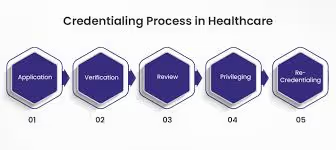
Your OMS practice operates at the complex intersection of medicine and dentistry. Bonfire Revenue's specialists are fluent in both. We navigate intricate payer policies, ensure coding accuracy from claim submission to appeals, and manage credentialing to eliminate denials and optimize your revenue cycle. Stop leaving money on the table due to billing complexities.