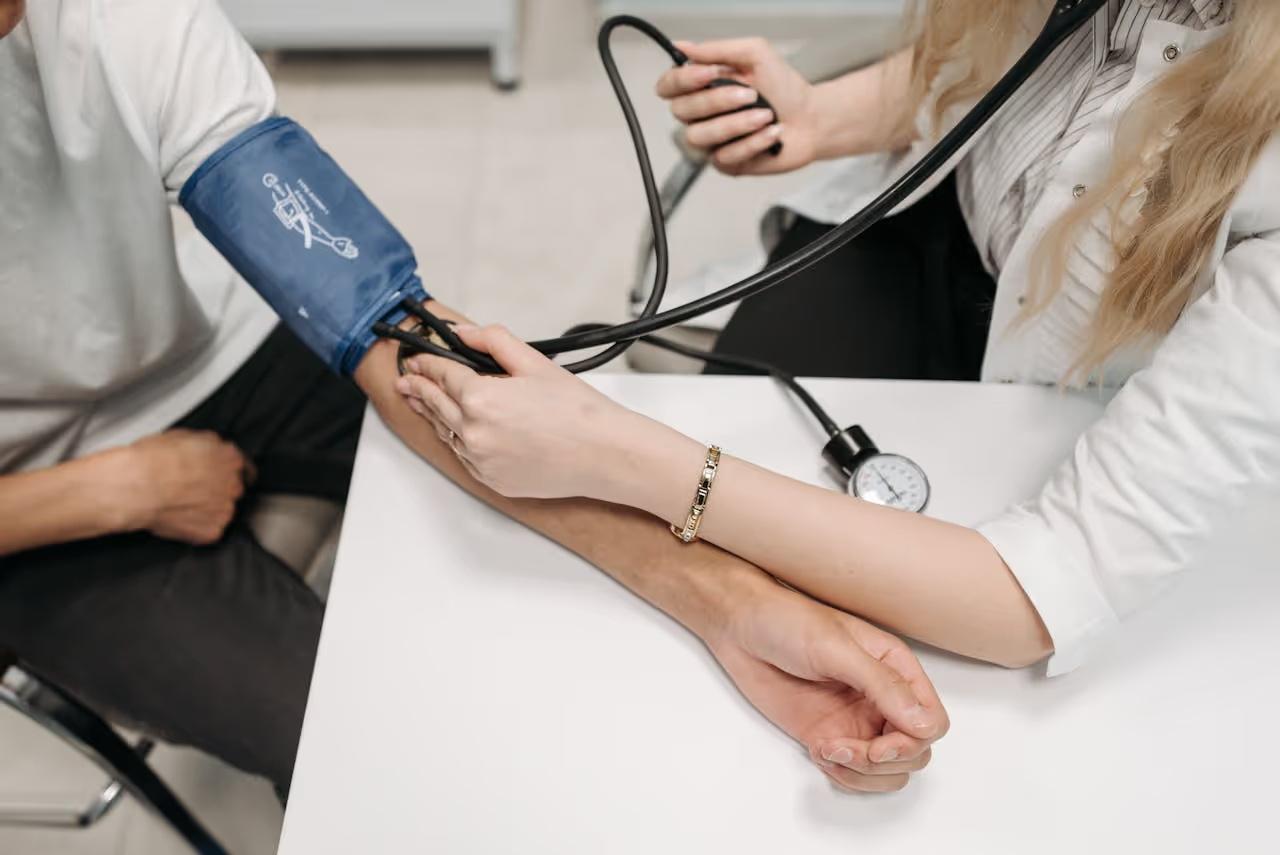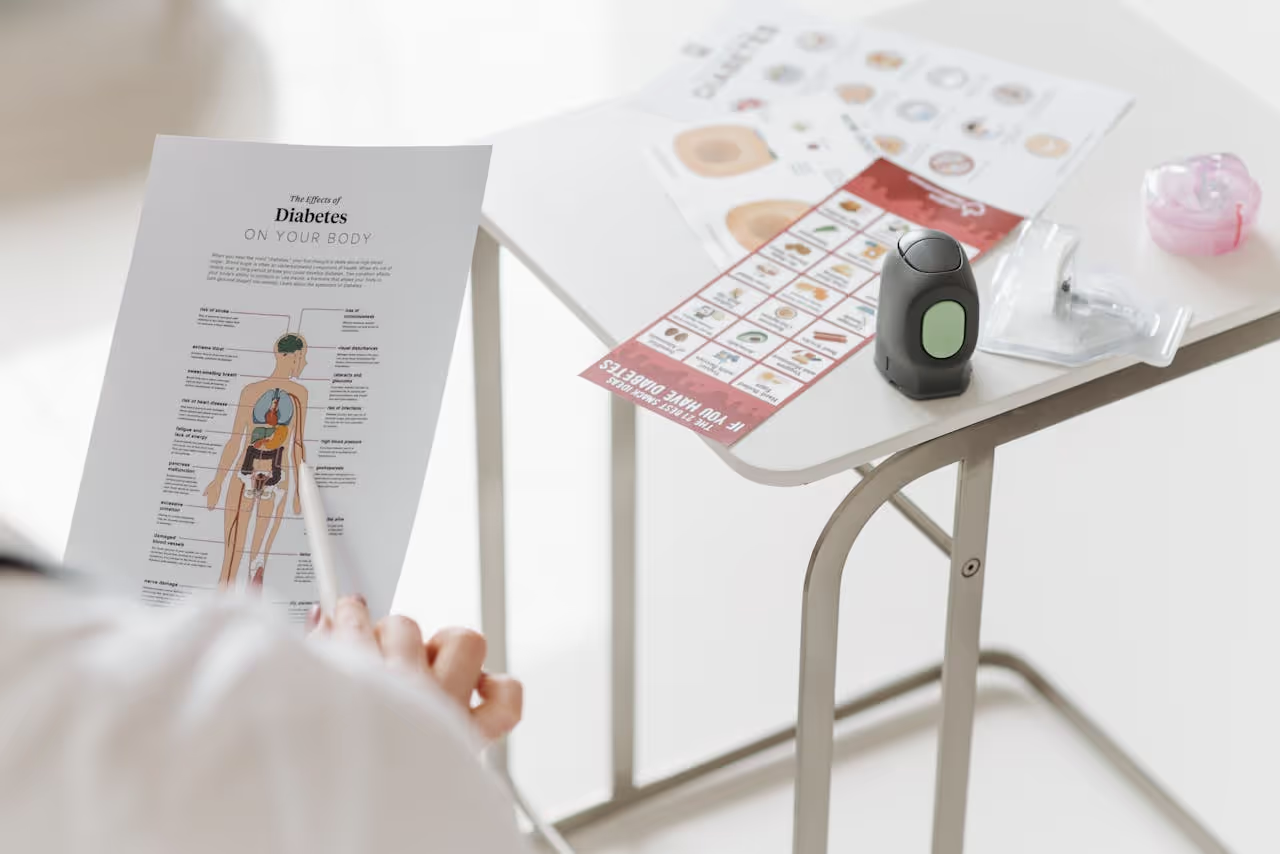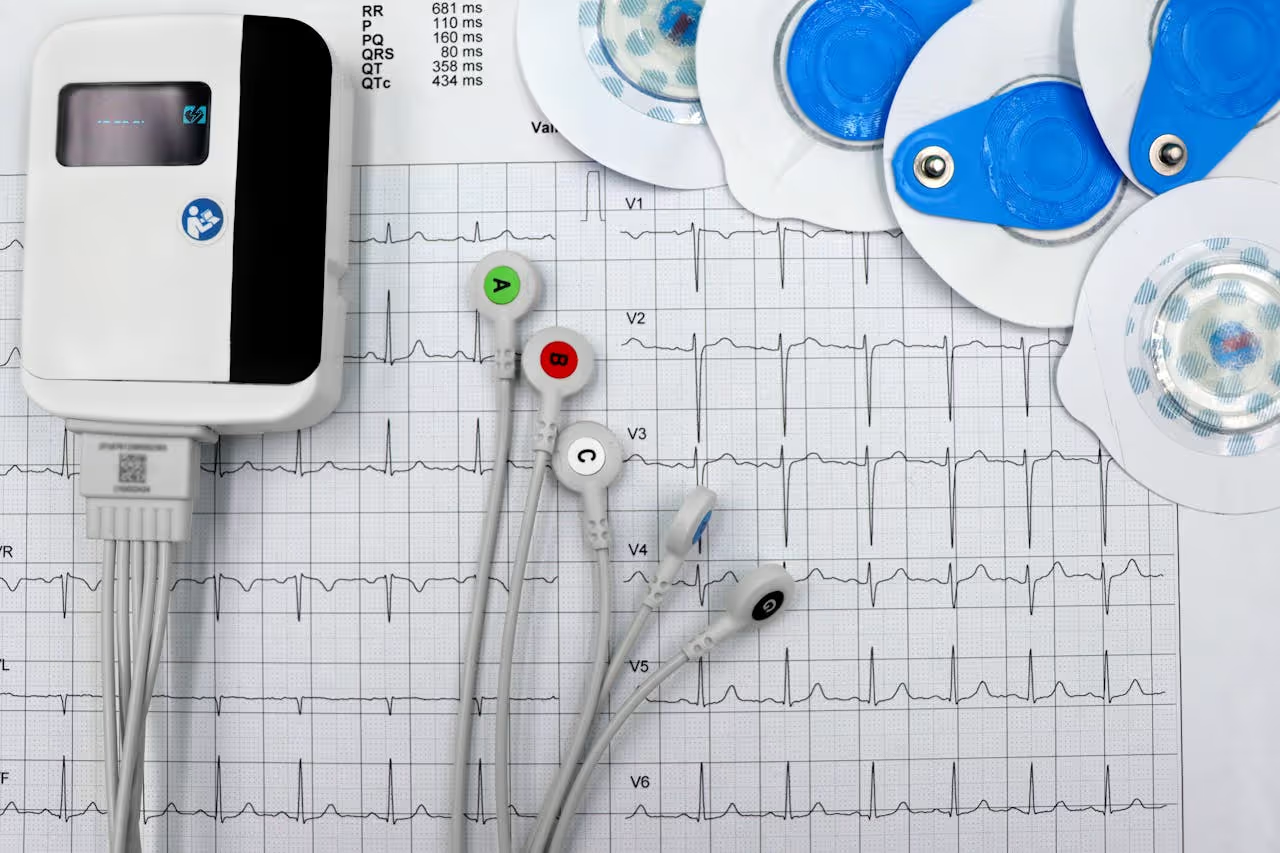


As Type 2 diabetes prevalence continues to rise, Family Medicine providers are central to delivering crucial chronic care management, including diabetic counseling. However, these vital services are frequently under-billed or denied due to complex coding and payer-specific nuances. Failing to capture this revenue not only impacts your practice's financial health but also undervalues the critical role you play in patient education and long-term outcomes. This guide provides a strategic breakdown of the coding, modifiers, and documentation required to secure appropriate reimbursement for Diabetes Self-Management Training (DSMT) services.
Navigating CPT Codes for Diabetic Counseling
Accurate CPT coding is the foundation of successful diabetic counseling billing. While counseling is often part of a standard Evaluation and Management (E/M) visit, dedicated DSMT services have specific HCPCS codes that must be used to report them accurately, particularly for Medicare beneficiaries. The primary codes for this service are:
- G0108: Diabetes outpatient self-management training services, individual, per 30 minutes.
- G0109: Diabetes outpatient self-management training services, group session (2 or more), per 30 minutes.
A common pitfall is performing both an E/M service (e.g., 99213, 99214) and DSMT during the same encounter without the proper modifier. If you conduct a significant, separately identifiable E/M service in addition to the counseling, you must append Modifier 25 to the E/M code. Failure to do so will almost certainly result in the bundling of services and a denial of the G-code.
ICD-10 Specificity and Payer Policy Alignment
Medical necessity for DSMT is established through precise ICD-10 coding. Submitting claims with a generic diagnosis like E11.9 (Type 2 diabetes mellitus without complications) is insufficient and invites scrutiny or denial. Payers require diagnostic codes that clearly justify the need for specialized education. Link your services to high-specificity codes that reflect the patient's current condition, such as:
- E11.65: Type 2 diabetes mellitus with hyperglycemia
- E11.40: Type 2 diabetes mellitus with diabetic neuropathy, unspecified
- E11.22: Type 2 diabetes mellitus with diabetic chronic kidney disease
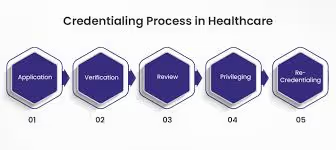
Furthermore, be aware that payer policies vary significantly. Medicare, for instance, requires DSMT programs to be accredited and may limit initial training to 10 hours within the first year of diagnosis. Commercial payers might have different frequency limitations or require specific provider credentials (e.g., Certified Diabetes Care and Education Specialist) to render the service. Proactive verification is essential.
Real-World Scenario: Combining an E/M Visit with Counseling
Consider this common scenario: An established patient with poorly controlled Type 2 diabetes presents for a 3-month follow-up. During the visit, you review lab results, adjust their metformin dosage (a significant E/M component), and also provide 30 minutes of one-on-one counseling on using a new continuous glucose monitor (CGM) and dietary adjustments.
Incorrect billing would be to submit only CPT 99214. The correct approach to capture reimbursement for both services is:
- CPT 99214-25: This bills the E/M visit, with Modifier 25 indicating it was a distinct service from the counseling.
- HCPCS G0108: This bills for the 30 minutes of individual DSMT.
- ICD-10 E11.65: This diagnosis is linked to both CPT codes, establishing medical necessity for the visit and the specific training.
Your documentation must clearly delineate the time and content of the counseling session, separate from the E/M portion of the note, to support the use of both codes.
Securing Reimbursement Through Precision
Successfully billing for diabetic counseling in a Family Medicine setting hinges on precision. It requires a disciplined approach that combines accurate CPT/HCPCS selection (G0108, G0109), the strategic use of Modifier 25 for same-day E/M services, and high-specificity ICD-10 coding to unequivocally establish medical necessity. By integrating these practices and staying vigilant about evolving payer policies and credentialing requirements, your practice can overcome common billing hurdles, reduce denials, and ensure you are properly compensated for delivering this essential component of chronic care management.
Diabetic Counseling Billing Essentials
- Use HCPCS codes G0108 for individual and G0109 for group DSMT services.
- Append Modifier 25 to the E/M code when counseling is a significant, separate service on the same day.
- Link claims to high-specificity ICD-10 codes (e.g., E11.65, E11.22) to prove medical necessity.
- Verify payer-specific rules regarding frequency, time units, and required provider credentials before billing.
Why Choose Us
Navigating the complexities of Family Medicine billing is our specialty. Bonfire Revenue goes beyond simple claim submission; we provide proactive RCM solutions that address nuanced coding challenges like diabetic counseling, ensure provider credentialing is aligned with payable services, and keep your practice ahead of 2025-2026 regulatory changes. Stop letting revenue slip through the cracks.